What is Play Therapy?
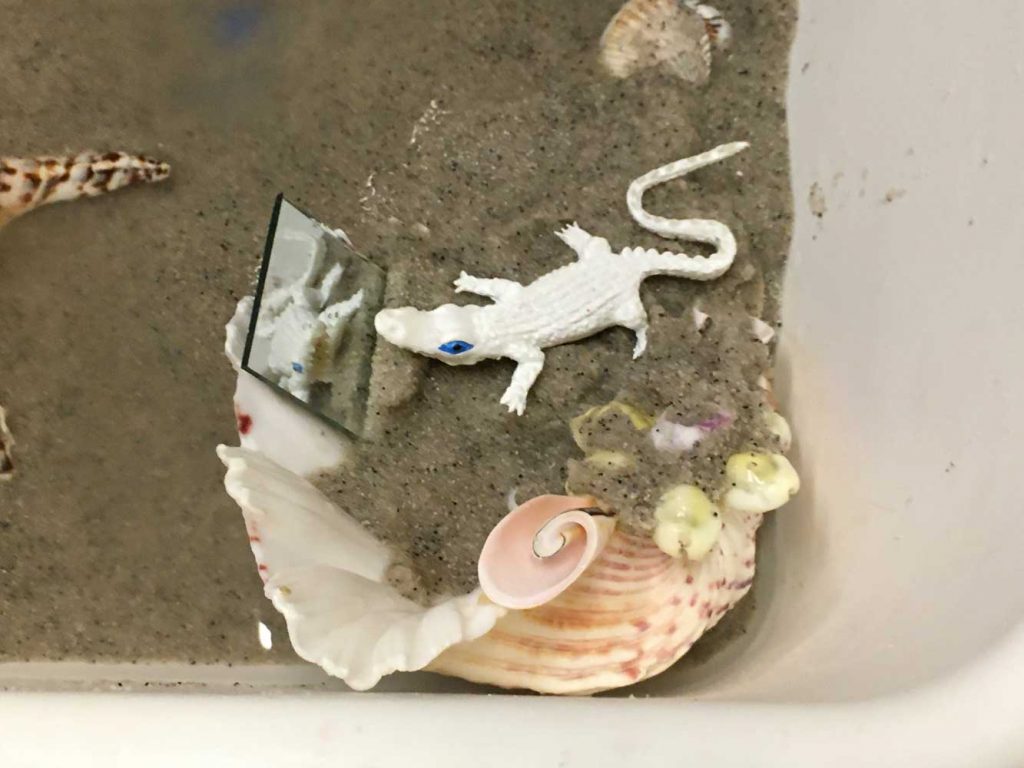
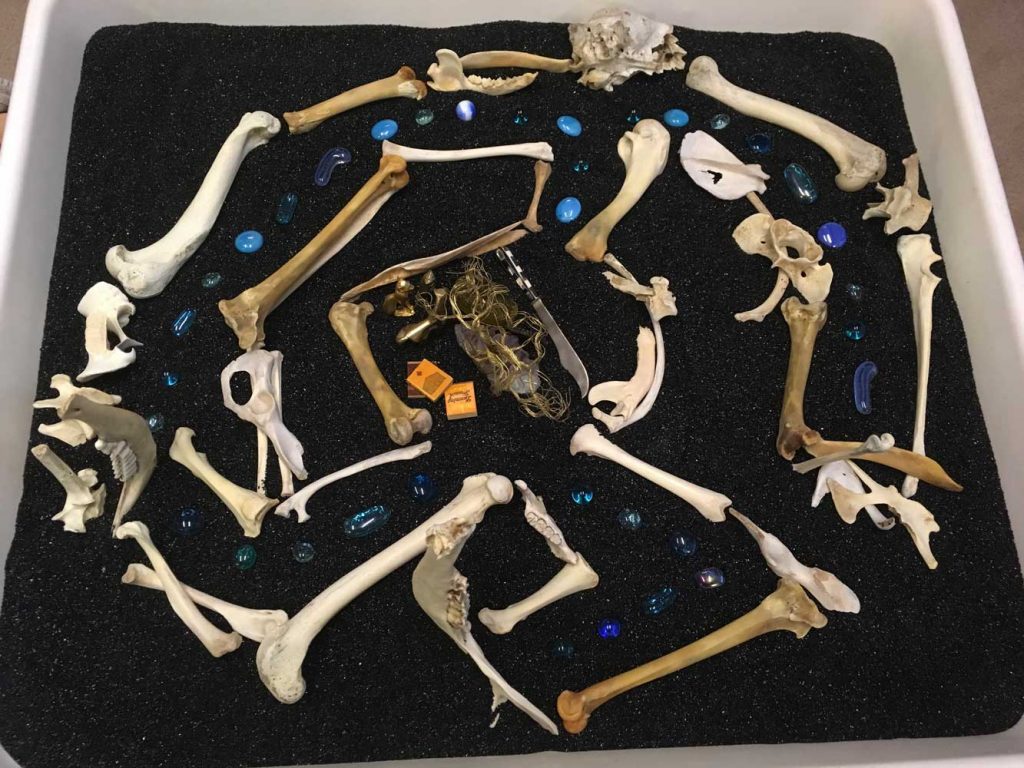
The term “play therapy” is a general term which may include the use of drawing and other art forms, sand trays, puppets, movement and dance, music and drama, and toys and games. These vehicles can be combined with other psychotherapy techniques and focused on helping children release anxieties, reduce distress, learn effective communication, enhance coping abilities, and facilitate many other skills which lead to improved self-understanding and social functioning.
Play is an essential function in humans that is particularly active in childhood. Play helps prepare the young for adulthood in multiple ways. In our play as children, we begin to learn to interact with our environment, clarify social relationships, control aggression, resolve conflicts, and deal with the many tasks of growing up. Through “play therapy” children can express feelings and explore options for new behaviors. With the assistance of a trained play therapist, children can also create fresh thinking patterns. With this new learning children can expand their capabilities to respond more effectively to their environments. Play therapies are particularly useful in the diagnosis and treatment of children as they do not express their troubles in the same way adults do and cannot be approached as adults in miniature.
Through consistent contact with a play therapist, children can develop a relationship which is important for the effectiveness of treatment. Play therapy sessions encourage children to cope with their problems in a safe and socially accepted way, while maintaining their own sense of agency.
My Approach:
Given my long experience aiding children and families, I offer my views to help you in finding a good therapeutic fit for yourselves and your children. These ideas have been honed by more than 50 years of experience. If you are seeking more detailed information about Sandtray and Play Therapy, I invite you to explore the photos and vignettes presented in the Blog section on this site. In my career I have aided youth 2-18 years of age with many presenting problems. Although I no longer provide treatment, I worked extensively with young child trauma victims; those with chronic or life-threatening medical conditions; those suffering grief and loss; children caught in conflicted custody disputes, and many other difficult situations. Click here for their stories.
My approach is not the way, just my way, based on study and experience. I hope that sharing these ideas will provide you with a starting point to consider the type of person/situation that best suits your family. In my playroom, the child chose the activity at least 95% of the time.
- Prior to any commitment, I offered parents and children a brief (15 minute) “meet and greet” as a way for them to consider if I and my space felt right to them. It is important for the caregivers to feel comfortable with the therapist as you will be working as a team to help your child.
- Once paperwork was completed by mail, I always met with parents first. The focus was to learn the family history and discuss any topics that may not be appropriate in the child’s presence. If parents were in a custody dispute, I requested that they come together, but complete separate paperwork.
- The regular play therapy sessions were scheduled for the child alone the vast majority of the time. Therapy became their “special play time.” Infrequently an incident would occur where I determined that the best action was to have the parent and child in together. This arrangement was explained to both at the outset of therapy.
- I would complete a play assessment in 4-6 weeks, and then have a parent session to discuss and plan further treatment. These parent meetings would occur occasionally during treatment at my or the parent’s request.
- I requested that parents routinely leave me a voicemail of weekly events and parental impressions to be received the evening prior to the child’s appointment. This way I would start the session with the child and may decide to speak with the parent or child and parent together, after the play session as warranted.
- I chose not to speak alone with a parent immediately after a play session. Most children assumed that we were talking about their work and this could have decreased their feelings of privacy/safety.